Psychiatry and precision medicine: personalizing care for effective treatments and avoiding side effects
Specialists meet at the Villa Santa Chiara Nursing Home to discuss the new frontiers of pharmacogenetics
Among psychiatric disorders, depression is the most widespread, affecting over 38,000 people in the Veneto region in 2023, 4,754 of whom are in the province of Verona. According to the WHO, it is expected to become the most common mental illness by 2030.
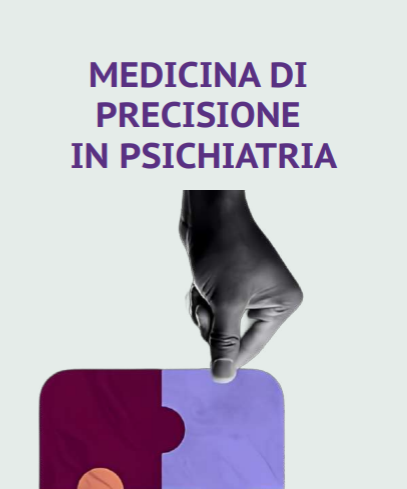
Among psychiatric disorders, depression is undoubtedly the most widespread, affecting over 38,000 patients in the Veneto region in 2023. Sixty-six percent of women suffer from it, and eight out of ten patients are under the age of 74. In the province of Verona, 4,754 patients were treated. There were 13,895 patients with bipolar disorder at the regional level, 58% of whom were women. There were 2,464 patients in the province of Verona. These numbers highlight a widespread problem whose treatment requires a targeted and personalized approach.
The World Health Organization (WHO) has issued a global warning, defining depression as the leading cause of disability worldwide and predicting that it will become the most common mental illness by 2030.
Prof. Massimo Gennarelli, Director of the Department of Molecular and Translational Medicine, University of Brescia – Genetics Laboratory, IRCCS Fatebenefratelli in Brescia, highlighted in his report that precision medicine in psychiatry represents a radical change from traditional approaches, focusing on integrated treatments based not only on clinical variables but also on the biological and genetic characteristics of each patient. “A key element,” he explained, “is pharmacogenetics, which, by studying genetic variants identified among those that influence the pharmacokinetics and pharmacodynamics of psychotropic drugs, has led to the development of specific genetic tests.
These tests help psychiatrists prescribe more effective drug therapies with fewer side effects, thereby improving treatment adherence. In addition to pharmacogenetics, the omic sciences (genomics, transcriptomics, proteomics, and metabolomics) offer a more comprehensive view of the biological mechanisms underlying psychiatric disorders. In particular, the study of gene expression allows the identification of biomarkers that could facilitate more accurate diagnoses and early intervention.
Another crucial innovation,“ added Prof. Gennarelli, ”is the application of artificial intelligence, which, thanks to machine learning, can analyze enormous amounts of clinical, genetic, and environmental data to identify patterns predictive of treatment response. Advanced algorithms can assist in diagnosis, treatment selection, and disease progression prediction, making the therapeutic approach increasingly personalized, safe, and effective. Despite its great potential, the integration of precision medicine into psychiatry faces challenges such as affordability, data collection and management, and ethical implications.
However, with the continuous advancement of research and technology, this approach promises to revolutionize psychiatry, significantly improving patients’ quality of life.
Prof. Edoardo Spina, Professor of Pharmacology at the University of Messina and Head of the Clinical Pharmacology Unit, AOU “G. Martino” in Messina, discussed “Therapeutic monitoring of new psychotropic drugs: usefulness and limitations.” “Precision medicine in psychiatry,” he explained, “can make use of laboratory methods such as therapeutic drug monitoring and pharmacogenetic testing. In our unit, we measure the blood concentrations of certain psychotropic drugs, particularly antidepressants and antipsychotics, as a guide for individualizing drug therapy. This is not a routine procedure, but it can be useful for dosage adjustments in certain clinical situations, for example, when a patient is suspected of not taking the medication (non-adherence to treatment), or in patients who do not respond to treatment or who experience severe side effects at the commonly used dose, or in at-risk populations such as the elderly.”
Dr. Alessio Squassina, Associate Professor of Biomedical Sciences, Department of Neuroscience and Clinical Pharmacology, University of Cagliari, also spoke on “The molecular basis of the response to mood stabilizers”.
Another topic addressed in the seminar concerned drugs for the management of diabetes and obesity. These drugs, originally developed for patients with certain forms of diabetes that could not be managed, are now also taken by people who simply want to lose weight, without knowing that they have side effects and are addictive.
In the report “Understanding adverse reactions in psychiatry: various aspects of pharmacovigilance,” Dr. Georgios Schoretsanitis of the Department of Psychiatry, Psychotherapy, and Psychosomatics, University of Zurich, Switzerland, presented a study on adverse drug reactions in psychiatry. The study focused on reports of suspected adverse drug reactions (ADRs) involving suicidal thoughts and self-harm associated with semaglutide and liraglutide collected between November 2000 and August 2023. “We analyzed,” explained Dr. Schoretsanitis, “data from 107 cases related to semaglutide and 162 cases related to liraglutide. A significant finding that emerged from the study was that semaglutide was disproportionately associated with reports of suicidal ideation.
This association remained statistically significant even when patients were taking other medications, such as antidepressants or benzodiazepines. In particular, the disproportion was significantly greater for semaglutide than for other medications for type 2 diabetes and obesity. The study highlighted that this signal of increased suicidal ideation linked to semaglutide requires urgent further investigation to clarify the potential risks, given the widespread and expanding use of semaglutide for the management of diabetes and obesity.